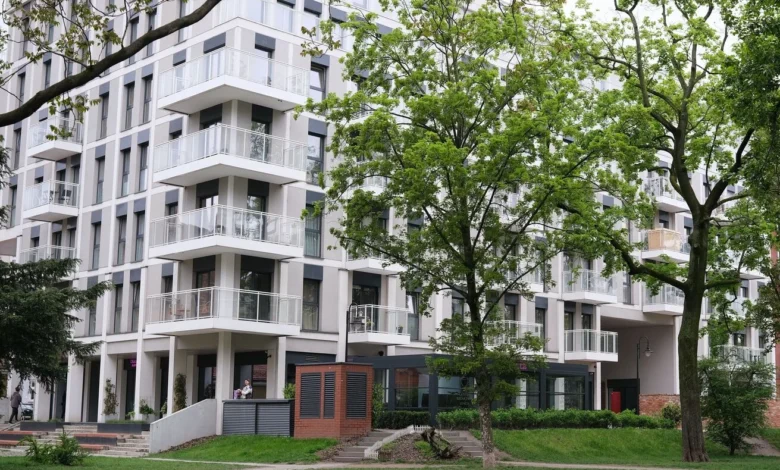
If you own rental property in Colorado, understanding the laws surrounding squatters is an important part of protecting your investment. While stories about unauthorized occupants taking over homes often make headlines, the legal reality is far less dramatic. Although squatters rights Colorado are recognized under state law through the doctrine of adverse possession, obtaining ownership of another person’s property is a lengthy and difficult legal process.
Knowing how Colorado squatters rights work can help landlords avoid unnecessary panic, take the proper legal steps if unauthorized occupants are discovered, and reduce the likelihood of property disputes.
What Are Squatter’s Rights?
Squatter’s rights are based on a legal concept known as adverse possession. This doctrine allows a person to potentially claim ownership of real estate after occupying it for a certain period while satisfying specific legal requirements. The purpose of adverse possession is to resolve long-standing disputes over land ownership and encourage neglected property to be put to productive use.
Many people mistakenly believe that simply living in an abandoned home automatically grants ownership rights. In reality, courts require claimants to meet every legal element of an adverse possession claim before ownership can transfer.
Who Is Considered a Squatter?
A squatter is someone who occupies property without the owner’s permission or a legal lease. Squatters often move into vacant homes, abandoned buildings, or other unoccupied properties.
However, squatters are different from other unauthorized occupants.
A trespasser enters property without permission but does not necessarily establish residency. Depending on the situation, trespassing may be handled through criminal law.
A holdover tenant is someone who originally rented the property legally but remains after their lease has expired. Even though they no longer have permission to stay, they are generally subject to landlord-tenant laws rather than adverse possession rules.
Recognizing these distinctions helps landlords determine the appropriate legal response.
Understanding Adverse Possession Colorado
The legal doctrine of adverse possession Colorado includes several strict requirements that must all be satisfied before someone can claim ownership.
Generally, the claimant must prove that their possession of the property was:
- Hostile, meaning it occurred without the owner’s consent.
- Actual, meaning they physically occupied and used the property.
- Open and notorious, meaning the occupation was obvious rather than hidden.
- Exclusive, meaning they exercised control over the property without sharing possession with the owner.
- Continuous for the statutory period required under Colorado law.
Colorado also places additional limitations on adverse possession claims. Depending on the circumstances, claimants may need to demonstrate a good-faith belief that they owned the property or satisfy other statutory requirements before a court will consider transferring ownership.
Because of these legal hurdles, successful adverse possession claims are relatively uncommon.
How Long Does Adverse Possession Take?
One of the biggest misconceptions surrounding Colorado squatters rights is that someone can gain ownership after occupying a property for only a few months.
In reality, many adverse possession claims in Colorado require continuous possession for at least 18 years. Certain exceptions may apply when the claimant has color of title and meets additional legal requirements, but these situations are limited and involve specific legal standards.
This lengthy time requirement provides significant protection for property owners who actively monitor and maintain their real estate.
Preventing Squatters Before Problems Start
The easiest way to avoid squatter-related disputes is to prevent unauthorized occupancy in the first place.
Landlords can protect vacant rental properties by:
- Inspecting properties regularly.
- Locking all doors, windows, and garages securely.
- Installing security cameras or monitored alarm systems.
- Keeping landscaping trimmed and the property well maintained.
- Removing accumulated mail, newspapers, or flyers.
- Repairing broken locks, windows, fences, or gates promptly.
- Posting visible “No Trespassing” signs where appropriate.
Properties that appear actively managed are far less likely to attract unauthorized occupants.
What To Do If You Find Unauthorized Occupants
If you discover someone living in your property without permission, avoid trying to remove them yourself.
Changing locks, disconnecting utilities, or physically forcing someone out could create additional legal problems. Instead, document the situation by taking photographs and recording any relevant details.
Next, determine whether the occupant is a trespasser, holdover tenant, or potential squatter. Contact local law enforcement if criminal trespassing is suspected. If the occupant has established residency, you may need to begin the appropriate eviction or possession proceedings through the courts.
Consulting an experienced Colorado real estate attorney can help ensure that every step complies with state law.
Why Property Management Matters
Many squatter situations arise because properties remain vacant for extended periods without regular oversight. Routine inspections, prompt repairs, and visible maintenance reduce the appearance of abandonment and discourage unauthorized occupancy.
Good recordkeeping is equally valuable. Maintaining documentation of inspections, maintenance visits, lease agreements, and property condition can strengthen a landlord’s position if legal disputes occur.
Final Thoughts
While stories about squatters often create unnecessary concern, squatters rights Colorado involve a highly structured legal process that favors diligent property owners. Successfully obtaining ownership through adverse possession Colorado requires years of continuous occupancy and compliance with multiple legal requirements—not simply moving into an empty home.
By understanding Colorado squatters rights, maintaining secure and well-managed properties, and responding quickly to unauthorized occupants, landlords can significantly reduce the risk of legal complications. Staying proactive is the best way to protect your rental property and preserve your investment for years to come.