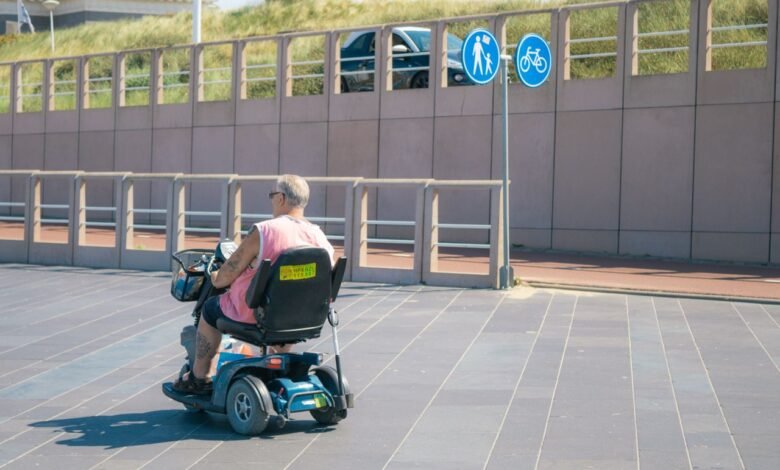
What activities bring joy and purpose to your daily life? For many seniors, staying engaged and active contributes significantly to overall health and well-being. Finding pursuits that are enjoyable, safe, and accessible can sometimes feel challenging, especially when mobility or health concerns come into play. The good news is that numerous activities exist to suit different physical abilities and interests, allowing older adults to remain socially connected, mentally stimulated, and physically active. The following eight accessible activity ideas are designed with seniors in mind, offering practical options that can be enjoyed individually or with friends and family.
Gardening and Plant Care
Gardening stands out as one of the most rewarding activities seniors can pursue, combining physical movement with mental engagement and a genuine sense of accomplishment. Whether tending to a vegetable garden, maintaining flower beds, or caring for indoor houseplants, gardening offers flexibility to match any mobility level. Seniors can adapt this activity by using raised garden beds to reduce bending, lightweight tools designed for easier handling, or container gardens on patios and windowsills. The physical benefits include gentle exercise, improved hand strength, and better balance, while the mental rewards come from watching plants grow and nurturing living things. Gardening also connects people with nature and provides a meaningful way to spend time outdoors, which research consistently links to improved mental health and cognitive function.
Walking and Nature Exploration
Walking remains one of the most accessible and beneficial forms of physical activity for seniors of all abilities. A leisurely walk through a neighborhood, local park, or nature trail requires minimal equipment and can be done at any pace that feels comfortable. Seniors can walk alone for personal reflection or join group walking clubs to combine exercise with social interaction. Many communities offer walking programs designed for older adults, often featuring shorter distances and frequent rest stops. Beyond the cardiovascular benefits, walking outdoors exposes seniors to fresh air and natural light, which can improve sleep quality and mood. Exploring new routes keeps the activity interesting and mentally stimulating, transforming routine exercise into an opportunity for discovery.
Arts and Crafts Projects
Creative pursuits like painting, drawing, knitting, woodworking, or pottery offer seniors an outlet for self-expression while keeping hands and minds active. These activities can be done at home, in community centers, or through group classes designed for older adults. Arts and crafts projects do not require expensive materials or prior experience, making them accessible to anyone interested in trying something new. The repetitive motions involved in many crafts can be meditative and calming, reducing stress and anxiety over time. Completing a creative project provides tangible results and a sense of pride that can boost confidence and self-esteem. Many seniors find that sharing their creations with family members or donating them to charitable causes adds another layer of meaning to their artistic efforts.
Social Games and Puzzles
Card games, board games, and word puzzles offer excellent mental stimulation while creating opportunities for social connection with friends and family. Games like bridge, chess, checkers, and Scrabble challenge cognitive function and keep the mind sharp, while simpler options ensure that everyone can participate regardless of skill level. Jigsaw puzzles provide a satisfying activity that can be done solo or collaboratively, requiring no special equipment or physical demands. Many senior centers and libraries host game nights and puzzle clubs where older adults gather regularly to play and socialize. The social aspect of games is just as important as the mental benefits, since regular interaction combats loneliness and isolation. Some seniors enjoy playing games online or through video calls with distant family members, expanding their social circle regardless of geographic distance.
Reading and Book Clubs
Reading offers seniors access to entertainment, knowledge, and imagination without requiring physical exertion or specialized equipment. Large-print books, audiobooks, and e-readers with adjustable text sizes make reading accessible for those with vision challenges. Joining a book club combines the pleasure of reading with social interaction, as members gather to discuss stories and share perspectives. Libraries often host book clubs specifically for seniors or can direct individuals to community programs. Reading supports cognitive function and memory while also providing relaxation and stress relief. Whether exploring fiction, history, biography, or self-help genres, seniors can pursue reading interests that align with their personal passions and curiosity.
Music and Listening Activities
Music brings joy and meaning to people of all ages, and seniors can engage with it in numerous accessible ways. Attending concerts, joining community choirs or singing groups, listening to favorite musicians, or learning an instrument are all viable options depending on individual interest and ability. Many senior centers offer music programs ranging from gentle listening sessions to active participation in group singing or instrument lessons. Research indicates that music can improve mood, reduce anxiety, and enhance memory, making it particularly beneficial for cognitive health. Seniors can also explore music from different eras and cultures, which provides intellectual engagement and can open conversations with others who share similar interests.
Light Exercise and Stretching
Gentle exercise programs such as chair yoga, tai chi, and stretching routines are well-suited to seniors who want to maintain flexibility and strength without high-impact activity. Many community centers, senior centers, and libraries offer beginner-friendly classes that require no prior fitness experience or special equipment. Chair-based yoga and stretching in particular are adaptable for those with limited mobility, allowing participants to benefit from mindful movement while seated. Regular light exercise supports joint health, reduces the risk of falls, and can ease chronic discomfort associated with conditions like arthritis. Group fitness classes also provide a reliable social outlet, giving participants consistent opportunities to connect with peers in a structured, supportive environment.
Volunteering and Mentoring
Volunteering allows seniors to contribute meaningfully to their communities while staying active and engaged. Opportunities range from mentoring younger people and helping at food banks to serving in administrative roles for nonprofit organizations. Many organizations specifically seek volunteers with the experience and skills that seniors possess, valuing their knowledge and consistent dedication. For seniors who receive daily support with personal care and household tasks, volunteering can remain a fulfilling and consistent part of life; Assisted Living in Blair, NE offers residents structured access to community engagement opportunities designed to keep them active and purposeful. The social connections formed through volunteer work create meaningful relationships with fellow volunteers and the individuals being served. Seniors can select roles that match their physical abilities and schedule, ensuring the experience remains enjoyable and sustainable over time.
Conclusion
Staying active and engaged supports seniors’ physical health, mental well-being, and overall quality of life. The eight activities outlined here, ranging from gardening and walking to music and volunteering, demonstrate that accessible options exist for nearly every interest and ability level. Whether seniors prefer solitary pursuits or social interactions, creative expression or mental challenges, these activities provide pathways to maintain vitality and find joy in daily life. Staying active does not require expensive equipment or exceptional physical fitness, but rather a willingness to explore what brings satisfaction and purpose. By embracing these accessible activities, seniors can continue to thrive, maintain independence, and experience the fulfillment that comes from meaningful daily engagement.
READ ALSO: Tips for Rejuvenating Tired Eyes: Why an Eyebrow Lift Might Beat Upper Eyelid Surgery in London