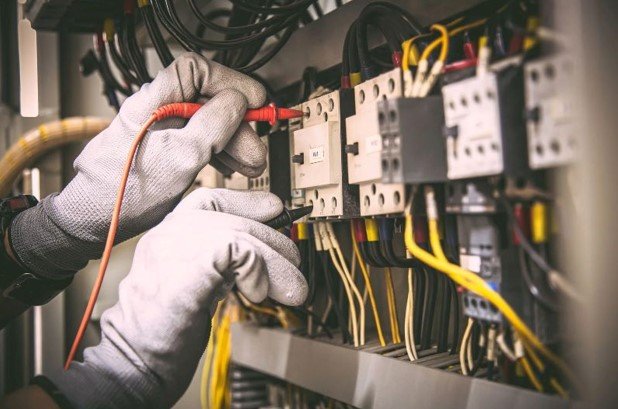
Electrical problems can develop without much warning. A flickering light may appear harmless, while a burning smell, sparking socket or repeated circuit breaker trip can indicate a much more serious issue. Knowing how to respond can help reduce the risk of electrical damage, fire or injury.
The safest approach is to avoid investigating electrical faults yourself when there is a clear risk. Instead, identify immediate hazards, take sensible precautions and arrange professional assistance where necessary.
Recognising an Electrical Emergency
Not every electrical fault requires an emergency response, but certain warning signs should never be ignored.
A problem may require urgent attention when there is evidence of overheating, exposed wiring, electrical arcing or a sudden loss of power associated with unusual sounds or smells.
Warning Signs to Watch For
Pay particular attention to:
- Burning or melted plastic smells
- Sparks from sockets or switches
- Smoke from electrical equipment
- Exposed or damaged wiring
- Repeated circuit breaker trips
- Hot electrical outlets or fittings
- Unusual buzzing or crackling sounds
These symptoms can have different causes, so attempting to identify the fault by dismantling electrical equipment can create additional danger.
What to Do When You Notice a Problem
The first priority is personal safety. Move away from equipment that is sparking, smoking or showing other signs of serious electrical failure.
If it can be done safely, switch off the affected appliance or isolate the relevant electrical supply. Do not touch damaged wiring or electrical components with wet hands.
Avoid Taking Unnecessary Risks
Never attempt to:
- Touch exposed conductors
- Repair damaged wiring yourself
- Pour water onto an electrical fire
- Remove electrical covers unnecessarily
- Continue using visibly damaged equipment
If there is smoke or fire, leave the property and contact the appropriate emergency service.
Understanding Circuit Breaker Trips
Circuit breakers and protective devices are designed to disconnect electrical circuits when a potentially unsafe condition occurs.
A single trip does not necessarily indicate a major fault. It could be associated with an overloaded circuit or a problem with a particular appliance.
However, repeatedly resetting a breaker without understanding why it is tripping is not a sensible solution.
When Repeated Trips Matter
If a circuit continues to trip after being reset, there may be an underlying electrical problem that requires investigation.
Repeated trips can indicate issues involving wiring, appliances or the circuit itself. Professional diagnosis is preferable to continually restoring the supply without identifying the cause.
Burning Smells and Overheating
A burning smell around an electrical outlet, switch, consumer unit or appliance should be treated seriously.
Overheating can occur when electrical connections are loose, components are overloaded or equipment develops a fault.
If an electrical fitting feels unusually hot, avoid touching it unnecessarily and arrange an appropriate inspection.
Early attention may prevent a developing fault from becoming a more serious incident.
Dealing With Electrical Sparks
Small visible sparks can sometimes occur when electrical equipment is switched on, but unexplained or repeated sparking should not be treated as normal.
Sparking can indicate damaged components, poor connections or other electrical problems.
Do not continue operating equipment that is visibly sparking. Disconnecting an appliance may be appropriate if this can be done safely, but damaged fixed wiring should be left for a qualified professional.
When Professional Assistance Is Needed
Some electrical problems are beyond what a homeowner should attempt to resolve. Electrical systems involve potentially dangerous voltages, and incorrect repairs can create hidden hazards even when the immediate problem appears to have disappeared.
For urgent faults, Emergency Electrical Services in Hemel Hempstead can provide professional assistance when a problem requires prompt attention.
A qualified electrician can assess the fault, identify the underlying cause and determine what repair is required.
Preventing Electrical Emergencies
The best electrical emergency is the one that never happens. Regular maintenance and sensible use of electrical equipment can help reduce avoidable risks.
Simple Preventive Measures
Homeowners can:
- Replace visibly damaged cables
- Avoid overloading sockets
- Keep electrical equipment dry
- Check plugs and leads periodically
- Investigate recurring breaker trips
- Arrange professional checks when concerns arise
Extension leads should also be used appropriately rather than as a permanent substitute for suitable fixed wiring.
Choosing an Electrician
When electrical work is required, choosing a competent professional matters. The electrician should be appropriately qualified for the work being undertaken and able to explain the fault and proposed solution clearly.
For routine electrical work, using Local Electricians can also make ongoing maintenance and follow-up easier.
Ask what work is required, whether testing forms part of the service and what documentation will be provided where applicable.
Electrical Emergencies in Rental Properties
Tenants should report serious electrical problems to their landlord or property manager as soon as possible, particularly where fixed wiring or installed electrical equipment is involved.
Tenants should not attempt repairs themselves.
If there is immediate danger, the priority should always be getting people away from the hazard and contacting the appropriate emergency services.
Keeping Your Property Safe
Electrical safety is an ongoing responsibility. Warning signs should be treated as useful information rather than inconveniences to be ignored.
A socket that becomes hot, a breaker that repeatedly trips or a new burning smell can provide an early indication that something requires attention.
Responding promptly can help prevent a small fault from developing into a much more serious problem.
Conclusion
Electrical emergencies require a safety-first response. Burning smells, sparks, smoke, exposed wiring, overheating and repeated circuit breaker trips should not be ignored or investigated through DIY repairs. Where safe, the affected supply can be isolated, but damaged wiring and serious faults should be assessed by a qualified professional. Preventive maintenance, sensible use of electrical equipment and prompt attention to warning signs can also reduce avoidable risks. Whether arranging Emergency Electrical Services or contacting Local Electricians in Potters Bar, professional assessment can help identify the underlying problem and restore electrical safety appropriately.