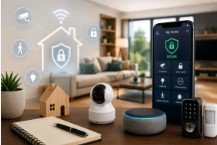
Setting up a smart home feels exciting at first. You unbox a few devices, connect them to your Wi-Fi, and within minutes your lights, thermostat, and speakers are talking to each other. But beneath that convenience, small mistakes often creep in without notice. These smart home setup errors can quietly slow down your devices or, worse, expose your network to serious security risks.
Many homeowners don’t realize that performance and security issues often trace back to the very first steps of installation. A weak Wi-Fi signal, a default password left unchanged, or an incompatible device added to the mix can create problems that build up over time. Avoiding these pitfalls from the start saves you from frustration, costly fixes, and potential data exposure down the road.
Common Smart Home Setup Errors
One of the most frequent smart home setup errors is poor router placement combined with weak Wi-Fi connectivity. If your router sits in a corner or behind thick walls, your devices struggle to maintain a stable connection, leading to lag and dropped commands.
Another common issue is relying on default passwords and skipping security updates. Manufacturers often ship devices with generic login credentials, and failing to change them leaves an open door for intruders.
Incompatible devices and inconsistent ecosystems also create headaches. Mixing brands without checking compatibility can cause automation failures and communication gaps between devices. On top of that, improper network configuration and a lack of encryption leave your entire smart home vulnerable to outside interference.
Performance Issues Caused by Setup Mistakes
When setup mistakes go unaddressed, performance suffers in noticeable ways. Delayed device response times and automation failures are often the first signs something is wrong. You might ask your smart assistant to dim the lights, only to wait several seconds for a response.
Network congestion is another byproduct of poor planning. As more smart home devices join the network, bandwidth gets stretched thin, especially if there’s inadequate bandwidth allocation to begin with. Add interference from other electronics, like microwaves or baby monitors, and you get weakened signal strength throughout the house.
These performance issues don’t just annoy you. They can also disrupt security systems, cameras, and alarms that rely on consistent connectivity to function properly.
Security Vulnerabilities from Poor Setup
Beyond performance, smart home setup errors open the door to real security vulnerabilities. Unauthorized access through unsecured connections is one of the biggest concerns. Hackers often scan for unprotected networks, and an exposed smart home device can serve as an easy entry point.
Outdated firmware and plugins also pose a risk, since they frequently contain unpatched vulnerabilities that lead to data breaches. Similarly, unverified third-party integrations can introduce malware without your knowledge.
Privacy risks also emerge from improper device permissions and settings. Many devices request access to cameras, microphones, or location data, and failing to review these permissions can compromise your personal information.
Best Practices for Optimal Setup
Avoiding these smart home setup errors starts with building a strong foundation. Establish a robust, secure home network before adding devices, and place your router in a central location to maximize coverage.
Use strong, unique passwords for every device and enable two-factor authentication wherever possible. Keeping all devices and software regularly updated closes security gaps before they become exploitable.
Choosing compatible devices from trusted manufacturers reduces the chances of ecosystem conflicts and communication failures. It also helps to monitor network activity regularly and adjust settings as your smart home grows.
For those who want extra peace of mind, Sound Effects provides tailored solutions designed to help homeowners set up their smart home systems correctly from day one. Their team focuses on getting the technical details right, so your devices perform reliably and your network stays protected.
Setting Up Your Smart Home the Right Way
Proper smart home setup is essential for both performance and security. Taking the time to avoid common errors upfront saves you from dealing with bigger headaches later, whether that’s a sluggish automation routine or a serious data breach.
Investing in quality equipment and maintaining best practices consistently pays off in the long run. A well-configured smart home doesn’t just work better. It also gives you confidence that your personal data and daily routines remain protected.