What to Do to Prepare for an Endoscopic Brow Lift Following Reconstructive Surgery in London


Undergoing facial restoration requires careful planning, especially when combining cosmetic refinements with restorative medical procedures. If you have previously undergone facial trauma treatment or cancer removal, you may want to restore symmetry to your upper face. Securing a cosmetic enhancement like an endoscopic brow lift in London represents a major step towards reclaiming your natural appearance. Preparing your body and mind for this delicate procedure ensures the best possible clinical outcome. When this follow-up treatment succeeds a previous reconstructive surgery, the preparation process requires extra attention to detail to protect compromised tissues. Knowing how to prepare properly can make a significant difference to your healing timeline and overall comfort.
Consulting Your Surgical Specialist
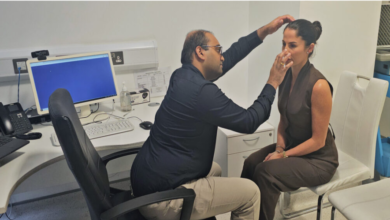
Preparing for this procedure begins with a detailed, face-to-face consultation with your plastic surgeon. Because your facial anatomy has already undergone changes from a previous reconstructive procedure, your surgeon must evaluate the existing scar tissue, skin elasticity, and nerve pathways. You must provide a complete medical history, including surgical reports and details of any implants or plates used in your previous treatments. During this assessment, your surgeon will map out the incision sites, which are typically hidden within the hairline to minimise visible scarring.
Sharing Your Medical History
Be entirely transparent about your past procedures. Your surgical team needs to know the exact techniques used in your previous reconstructive surgery to avoid disrupting deep tissue structures. This consultation is also the ideal time to discuss your aesthetic goals and ask questions about the endoscopic technique, which uses a tiny camera to guide the surgeon.
Formulating a Bespoke Surgical Plan
Your surgeon will use these insights to tailor the procedure to your unique anatomical landscape. They will assess how your forehead muscles interact with the underlying bone, ensuring that the lift looks natural and does not put undue tension on older scars. This personalised approach reduces the risk of complications and ensures a smoother recovery phase.
Adjusting Your Medication and Supplement Routine
In the weeks leading up to your endoscopic brow lift in London, you must review everything you ingest. Certain everyday medications and dietary supplements can increase your risk of bleeding and bruising, which can delay the healing of delicate facial tissues. Your clinical team will provide a comprehensive list of substances to avoid, but you must take the initiative to manage this transition safely.
Managing Prescription Medications
Speak with both your general practitioner and your plastic surgeon about any prescription drugs you take regularly. You may need to temporarily pause or adjust the dosage of blood thinners, such as aspirin or warfarin, at least two weeks before your appointment. Never alter your prescription routine without direct medical supervision, as managing your cardiovascular health remains the priority.
Suspending Supplements and Anti-Inflammatory Drugs
Common over-the-counter anti-inflammatory drugs, such as ibuprofen, must be avoided. Similarly, stop taking herbal supplements like ginkgo biloba, garlic tablets, ginseng, and high doses of vitamin E, as these naturally thin the blood. Instead, focus on a balanced diet rich in vitamin C and zinc, which naturally support the body’s tissue repair mechanisms without affecting blood coagulation.
Preparing Your Body and Skin for the Procedure
Optimal physical health directly influences how well your body tolerates anaesthesia and repairs itself post-surgery. When your upper face has already experienced the trauma of prior reconstructive procedures, the local blood supply and lymphatic drainage systems may already be compromised. Therefore, preparing your skin and boosting your systemic health before the operation is vital.
Prioritising Hydration and Nutrition
Increase your daily water intake to keep your skin hydrated and elastic. A well-hydrated body flushes out toxins more efficiently and maintains stable blood pressure during the operation. Focus your diet on lean proteins, leafy greens, and antioxidant-rich fruits to provide the essential building blocks for collagen synthesis.
Adhering to Strict Skincare Guidelines
Your surgeon may recommend a gentle, non-irritating skincare routine in the weeks prior to the surgery. Avoid harsh chemical peels, retinoids, or intense sun exposure, as sunburned or irritated skin cannot undergo surgery. If your previous surgical restoration left sensitive scars near the brow or temples, apply prescribed moisturisers or silicone gels to keep the tissue as pliable as possible before the new incisions are made.
Setting Up Your Recovery Space at Home
Creating a restful, well-stocked environment before you head to the clinic is essential for a stress-free recovery. When you return home after your forehead procedure, you will need to rest quietly with your head elevated to minimise swelling. Preparing your living space beforehand prevents you from straining or lifting heavy objects during the critical first few days.
Arranging Your Sleeping Area
Set up your bed or a comfortable reclining chair with several firm pillows. Keeping your head elevated at a thirty-to-forty-five-degree angle for at least the first week reduces post-operative swelling and bruising. Keep essential items, such as your prescribed painkillers, eye drops, a water bottle, and a phone charger, within easy reach of your resting spot.
Stocking Up on Supplies
Purchase soft foods that require minimal chewing, as intense jaw movement can cause discomfort around the temples. Stock your freezer with gel ice packs or bags of frozen peas wrapped in clean towels to soothe the forehead area. Additionally, arrange for a responsible adult to drive you home from the London clinic and stay with you for the first twenty-four hours to assist with basic tasks during your first night.
Mental and Emotional Readiness
Undergoing any surgical procedure requires mental preparation, but this is particularly true when you have a history of complex medical treatments. The emotional journey of correcting structural issues can be intense, and adding a cosmetic refinement requires a realistic outlook. Understanding the timeline of your recovery helps keep anxiety at bay.
Managing Expectations for the Outcome
An endoscopic lift provides a subtle, refreshed appearance rather than an overnight transformation. Your final results will emerge gradually as the swelling subsides over several weeks or months. Discussing the anticipated changes with your surgeon helps align your expectations with what is surgically achievable, especially when working around existing scars.
Building a Support Network
Lean on friends, family, or support groups who understand your journey. Having people around who can offer emotional encouragement makes the recovery period much easier to handle. Remember that temporary bruising and swelling are normal parts of the healing process, and keeping a positive, patient mindset will support your overall well-being as your face heals.
Conclusion
Preparing for an endoscopic brow lift in London after undergoing reconstructive surgery requires a thoughtful, methodical approach. By collaborating closely with your surgical specialist, adjusting your medication regimen, and optimising your physical health, you set the stage for a safe procedure and an efficient recovery. Setting up a comfortable recovery environment at home and maintaining a positive, realistic mindset will further ease your journey. This procedure offers a valuable opportunity to restore balance and harmony to your facial features, helping you move forward with renewed confidence. Taking these preparatory steps seriously ensures that you achieve the natural, refreshed appearance you desire while safeguarding your long-term health.