Transforming Mental Health Care: A Deep Dive into Ketamine Treatment in London with Save Mind


The search for effective mental health interventions has led to significant clinical breakthroughs across the United Kingdom. For individuals struggling with treatment-resistant depression or severe anxiety, traditional therapies often fall short, leaving them searching for alternative options. Fortunately, access to innovative therapies is expanding, particularly with the rise of ketamine treatment in London. This clinical approach offers rapid relief to those who have found little success with standard selective serotonin reuptake inhibitors (SSRIs). By targeting different pathways in the brain, this therapy represents a major paradigm shift, offering renewed hope to patients struggling with chronic, debilitating mood disorders.
The Science of Glutamate and Brain Plasticity
To understand why this intervention is so effective, one must look at how it differs from conventional psychiatric medications. Traditional antidepressants primarily target monoamine neurotransmitters like serotonin, norepinephrine, and dopamine. These medications often require several weeks or even months to produce noticeable changes, and many patients experience unpleasant side effects before feeling any therapeutic benefits.
In contrast, ketamine works on the glutamate system, specifically targeting N-methyl-D-aspartate (NMDA) receptors. Glutamate is the most abundant excitatory neurotransmitter in the human brain, playing a crucial role in synaptic plasticity, learning, and memory. By blocking NMDA receptors, the treatment triggers a cascade of neurobiological events that stimulate the growth of new synapses. This process, known as synaptogenesis, helps repair the neural pathways damaged by chronic stress and depression.
Medical professionals administering ketamine treatment in London observe that this rapid rewiring of the brain allows patients to break free from negative thought patterns almost immediately. Instead of merely masking symptoms, this biological intervention helps restore the brain’s natural adaptability, providing a sturdy foundation for long-term psychological healing. Clinical trials show that even a low-dose infusion can significantly reduce suicidal ideation and depressive symptoms within hours, a timeline that traditional pharmacology simply cannot match. This rapid onset makes it an invaluable tool for crisis intervention and acute symptom management.
The Patient Journey and Clinical Environment
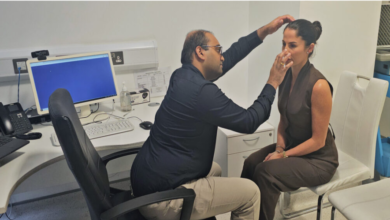
Undergoing a novel medical procedure can feel daunting, but understanding the structured nature of the sessions can ease anxiety. The process begins with a comprehensive psychiatric evaluation to assess suitability and rule out contraindications. Once approved, patients attend a specialised clinic for their scheduled sessions.
During the session, the patient sits or reclines in a quiet, comfortable room designed to minimise sensory overload. Low lighting, soft music, and comfortable seating help create a calming atmosphere. A qualified healthcare professional administers the medication, usually via a slow intravenous infusion or an intranasal spray, depending on the specific protocol.
Throughout the active phase, which typically lasts around forty-five minutes to an hour, clinicians monitor the patient’s vital signs, including blood pressure and heart rate. Patients often report experiencing mild dissociative effects, such as altered perceptions of time and space, or a feeling of detachment from their physical body. These sensations are temporary and generally subside within thirty minutes after the administration ends. After a brief observation period to ensure the patient feels stable and alert, they are discharged into the care of a pre-arranged companion, as driving is not permitted immediately after therapy.
Selecting a Trusted Provider in the United Kingdom

As public interest in advanced psychiatric therapies grows, choosing a reputable provider becomes paramount. Safety, medical oversight, and personalised care plans are the cornerstones of a successful therapeutic experience. Patients should look for clinics that employ multidisciplinary teams consisting of consultant psychiatrists, anaesthetists, and trained mental health nurses.
For those seeking top-tier clinical standards, Save Minds in UK offers a robust framework that prioritises patient safety and evidence-based protocols. Their clinics adhere to strict clinical guidelines, ensuring that every session is supervised by medical experts who can manage any physiological or psychological responses. Choosing a recognised provider like Save Minds in UK guarantees that your treatment plan is tailored to your unique medical history rather than relying on a one-size-fits-all approach.
Furthermore, reputable centres conduct thorough follow-up assessments to track progress and adjust dosage levels as required. This ongoing clinical support is vital, as the initial series of infusions is typically followed by maintenance sessions spaced out over several weeks or months. By aligning with established healthcare professionals, patients can confidently pursue ketamine treatment in London, knowing they are receiving the highest standard of psychiatric care available.
Integrating Therapy for Sustained Mental Wellness
While the physiological changes triggered by NMDA receptor modulation are powerful, they are most effective when combined with psychological integration. The period immediately following a session is characterised by heightened neuroplasticity, meaning the brain is exceptionally receptive to new learning and positive behavioural patterns.
The Role of Integration Therapy
Integration therapy involves working with a therapist to process the insights, feelings, and sensations experienced during the session. This collaborative work helps translate temporary neurological shifts into permanent cognitive habits. Therapists guide patients in reframing past traumas, challenging negative self-talk, and establishing healthier coping mechanisms while the brain is in this highly adaptable state.
Lifestyle Adjustments and Support Systems
In addition to formal therapy, incorporating positive lifestyle changes can prolong the benefits of the treatment. Regular physical exercise, balanced nutrition, mindfulness practices, and consistent sleep hygiene all support overall brain health. Building a strong support network of friends, family, or support groups also provides emotional stability. By combining clinical interventions with active lifestyle management, patients can maximise the longevity of their recovery and build a resilient foundation for the future.
Conclusion

The landscape of psychiatric care is undergoing a profound transformation, offering new pathways to recovery for individuals who once felt out of options. Through advanced interventions like ketamine treatment in London, patients can experience rapid relief from chronic mental health struggles that traditional therapies failed to resolve. By choosing dedicated providers such as Save Minds in UK, individuals gain access to safe, medically supervised environments that prioritise long-term wellness and comprehensive support. As scientific research continues to validate these innovative therapies, the future of mental health care looks increasingly bright, promising a more compassionate, effective, and personalised approach to emotional healing for everyone.