Medical Silicone Manufacturer: Custom Medical Silicone Parts for Precision Applications

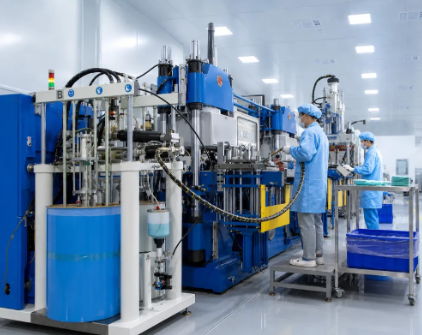
Medical devices and healthcare equipment require materials that can meet demanding performance, quality, and production requirements. Silicone is widely used in healthcare manufacturing because it offers flexibility, temperature resistance, chemical stability, and suitability for many specialized applications. For companies developing medical products, working with an experienced medical silicone manufacturer can make it easier to produce reliable components that match exact design requirements.
From seals and gaskets to tubing, valves, membranes, and wearable components, custom medical silicone parts can be manufactured in different shapes, sizes, hardness levels, and finishes. A qualified manufacturing partner can support product development from material selection and tooling to molding, inspection, and production.
Why Silicone Is Used in Medical Products
Silicone has become an important material for many healthcare applications because of its useful physical properties. It can remain flexible across a broad temperature range while maintaining its basic shape and performance.
Silicone can also be formulated with different hardness levels. This allows manufacturers to produce soft components for patient-contact applications as well as firmer parts for mechanical functions.
Other useful characteristics include:
- Flexible material behavior
- Good resistance to temperature changes
- Resistance to moisture and many chemicals
- Long-term elasticity
- Low compression set options
- Ability to form detailed shapes
- Compatibility with different molding processes
These characteristics make silicone suitable for many medical and healthcare products.
What Does a Medical Silicone Manufacturer Do?
A medical silicone manufacturer specializes in producing silicone components for healthcare and medical equipment companies. Manufacturing involves more than simply molding silicone into a specific shape.
The process can begin with reviewing engineering drawings, product requirements, and application conditions. The manufacturer then helps determine an appropriate silicone formulation, hardness, molding method, and tooling approach.
Material Selection
Material selection is an important part of medical silicone production. Depending on the application, manufacturers may work with liquid silicone rubber (LSR), high-consistency rubber (HCR), or other silicone formulations.
The selected material can influence flexibility, hardness, transparency, compression behavior, temperature resistance, and other performance characteristics.
Mold and Tooling Development
Once the product design is established, tooling is developed according to the required dimensions. Medical components may contain thin walls, small openings, grooves, channels, or other detailed features.
Accurate tooling helps maintain consistency between production batches and supports repeatable part dimensions.
Silicone Molding
Different molding processes can be used depending on the component design and production requirements. LSR injection molding is particularly useful for producing detailed silicone components in larger production quantities.
The silicone material is processed under controlled conditions and injected into a prepared mold. After curing, the finished component is removed, inspected, and prepared for subsequent production steps.
Custom Medical Silicone Parts for Different Applications
One of the major advantages of silicone manufacturing is the ability to create components specifically for a product’s requirements.
Custom medical silicone parts can be developed for numerous healthcare applications.
Seals and Gaskets
Silicone seals and gaskets help control fluids, air, or gases within medical equipment. Their geometry can be customized according to the housing, pressure conditions, and assembly method.
Medical Tubing
Silicone tubing is used in various healthcare and laboratory applications. Manufacturers can produce tubing with different internal diameters, wall thicknesses, lengths, and flexibility levels.
Valves and Membranes
Small silicone valves and membranes can be designed for controlled fluid or air movement. These components often require precise dimensions and carefully controlled material properties.
Wearable Medical Components
Silicone can also be used for wearable healthcare products because its flexible nature allows components to conform to different surfaces and product shapes.
Respiratory and Fluid-Handling Components
Specialized silicone components may be used in respiratory equipment, fluid management systems, and other medical devices where flexibility and controlled sealing are important.
Benefits of Custom Silicone Manufacturing
Off-the-shelf silicone components may not always fit a specific medical product. Custom manufacturing allows companies to create parts around their exact engineering requirements.
Precise Dimensions
Custom tooling allows manufacturers to produce components according to specified measurements. Dimensional control is particularly important for small medical components where even minor variations can affect assembly.
Flexible Design Options
Manufacturers can produce silicone parts in different shapes, colors, hardness levels, thicknesses, and surface finishes. Complex geometries can also be incorporated into the mold design.
Consistent Production
For medical products, consistency is an important consideration. A controlled manufacturing process can help maintain similar dimensions and material characteristics across production runs.
Product-Specific Solutions
Every medical device has different requirements. Custom silicone manufacturing allows the component to be designed around the device rather than forcing the device to accommodate a standard part.
LSR Injection Molding for Medical Components
Liquid silicone rubber injection molding is widely used for producing precision silicone components. LSR is supplied in a liquid form and processed through specialized injection molding equipment.
The process can support detailed component designs and efficient production. Automated equipment can also help improve repeatability when producing large quantities.
For companies ordering custom medical silicone parts, LSR injection molding can be considered when the product requires precise geometry, repeatable dimensions, and scalable production.
Quality Control in Medical Silicone Manufacturing
Quality control is essential when manufacturing components for healthcare applications. A reliable medical silicone manufacturer should have defined inspection procedures throughout production.
Quality checks may include:
- Dimensional inspection
- Visual inspection
- Material verification
- Hardness testing
- Weight measurement
- Surface inspection
- Production batch tracking
- Packaging inspection
Depending on the application and customer requirements, additional testing and documentation may also be required.
Choosing the Right Medical Silicone Manufacturer
Selecting a manufacturing partner should involve more than comparing unit prices. Companies should evaluate the manufacturer’s experience, production capabilities, quality systems, tooling expertise, and ability to support custom projects.
Before placing an order, ask about:
- Available silicone materials and grades
- Molding technologies
- Tooling and mold development
- Dimensional inspection capabilities
- Production capacity
- Quality documentation
- Packaging options
- Prototype and sampling services
- Experience with similar medical components
- Communication and technical support
A manufacturer that understands both silicone processing and medical product requirements can provide valuable support during product development.
From Prototype to Production
Many medical products begin with a prototype before entering larger-scale manufacturing. A silicone manufacturer can help transform an initial CAD design into a physical sample.
Prototype evaluation allows engineers to check dimensions, fit, flexibility, sealing performance, and assembly before committing to larger production quantities.
After the design is approved, tooling can be prepared for repeat production. This staged approach can help identify design issues earlier and reduce unnecessary manufacturing changes.
The Value of Custom Medical Silicone Parts
The right silicone component can play an important role in the performance of a medical device. Whether the requirement involves a small gasket, flexible tube, valve, membrane, seal, or specialized molded component, customization provides greater control over the final product.
By working with an experienced medical silicone manufacturer, businesses can develop parts that match their technical specifications and production requirements. Material selection, tooling, molding, inspection, and packaging can all be considered as part of the manufacturing process.
Conclusion
Silicone offers a versatile material solution for many healthcare and medical applications. Its flexibility, temperature resistance, elasticity, and processing options make it suitable for components ranging from seals and tubing to valves and specialized molded parts.
For companies seeking custom medical silicone parts, choosing the right manufacturing partner is an important step. An experienced medical silicone manufacturer can provide support throughout material selection, tooling, molding, quality inspection, and production.
With careful design and controlled manufacturing processes, custom silicone components can be produced to meet the specific requirements of medical devices and healthcare equipment while supporting consistent production and reliable product performance.