How to Stop Biting Inside of Cheek — Breaking the Habit Through Awareness and Prevention

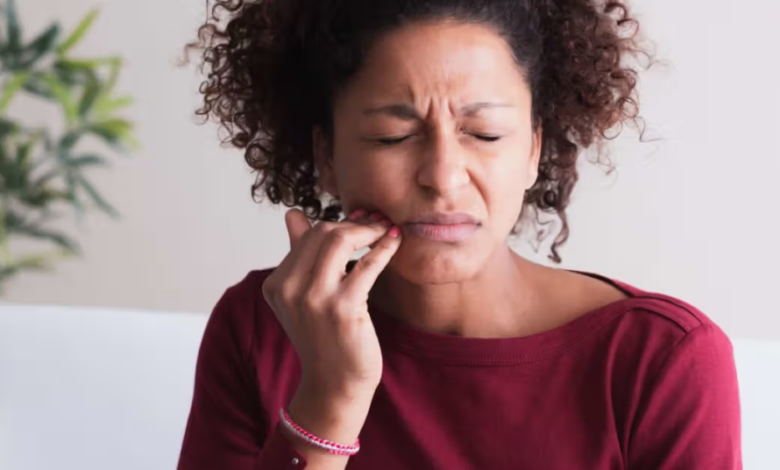
Repeatedly biting the inside of the cheek can become an irritating cycle. A rough patch develops, the tongue notices it, the teeth return to the area, and the tissue becomes even more uneven.
People searching for how to stop biting inside of cheek often focus exclusively on self-control. However, repetitive biting is frequently easier to change when the triggers, physical sensations, and automatic routines behind it are addressed together.
Understand What Keeps the Cycle Going
Cheek biting can begin accidentally, but repeated biting may continue because of the texture created by earlier irritation.
Once the tissue feels rough, it becomes noticeable.
Someone may then chew the area in an attempt to make it smooth.
The result is additional irritation.
The Texture Can Become the Trigger
This creates a simple but powerful feedback loop.
Bite, feel roughness, check the area, bite again.
Interrupting the checking stage may therefore be just as important as stopping the biting itself.
Notice When Your Jaw Becomes Active
Some people bite while concentrating.
Others notice the behaviour when anxious, bored, driving, reading, or working at a computer.
For several days, observe when your teeth begin touching the inside of the cheek.
Do not wait until the area is sore.
Try to catch the earliest movement.
Create a Brief Awareness Signal
A visual reminder can help during high-risk activities.
Place a subtle note near the computer or another location associated with biting.
When you see it, briefly check whether your jaw is relaxed.
Avoid Constant Monitoring
Awareness is useful, but repeatedly checking every few seconds can become frustrating.
The goal is occasional interruption, not constant vigilance.
A reminder should help you return attention to the activity rather than make the mouth the center of attention.
Give the Irritated Area Time to Heal
Fresh irritation creates sensory triggers.
Repeatedly testing the area with your teeth or tongue can keep the habit active.
Reducing unnecessary touching allows the tissue an opportunity to recover.
If an area remains painful, swollen, bleeding, or does not heal appropriately, seeking dental or medical evaluation is important.
Address Concentration-Related Biting
Some people bite their cheeks most often during demanding mental tasks.
If that describes your pattern, regular short breaks may help.
Stand up, stretch, get water, and deliberately relax the jaw before returning to the task.
Notice Overall Muscle Tension
Cheek biting may occur alongside clenched shoulders, tight facial muscles, or a tense jaw.
A brief body scan can help identify tension before biting begins.
Relaxing the body does not guarantee the urge will disappear, but it may reduce one common trigger.
Replace Automatic Behaviour
When you become aware of the urge to bite, allow the jaw to rest naturally.
Redirect attention to the activity you were doing.
The replacement does not need to be complicated.
Consistency is usually more important than finding a dramatic technique.
Examine Emotional Triggers
If biting increases during stressful situations, identify whether the behaviour functions as a tension-release habit.
Stress management may then become part of the plan.
Regular sleep, movement, pauses during demanding work, and relaxation strategies can reduce the conditions in which repetitive behaviours become more frequent.
Avoid All-or-Nothing Expectations
One episode does not mean the strategy failed.
Habit change often happens through increasing awareness.
You may initially notice only after several minutes, then after thirty seconds, then before the behaviour begins.
Each earlier interruption is progress.
Conclusion
Learning how to stop biting inside of cheek requires understanding more than the final action.
Texture, concentration, stress, jaw tension, and automatic checking can all contribute to the cycle.
By noticing high-risk situations, reducing repeated inspection of irritated tissue, creating simple awareness cues, and practicing a relaxed alternative response, the behaviour can gradually become less automatic.
The goal is not perfect control from the first day. It is steadily increasing the distance between the urge and the habitual response.