Nicola O’Leary Biography: 11 Remarkable Career Facts
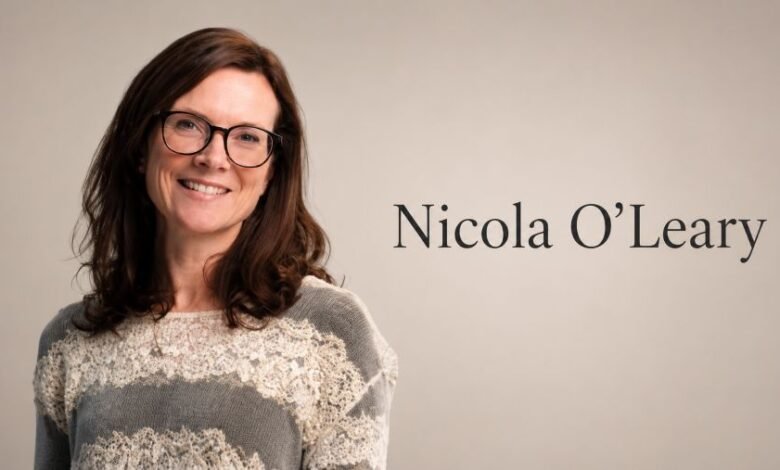
Nicola O’Leary is a British criminologist, researcher, university academic and author known for her work on victimology, domestic abuse, coercive control and the relationship between crime and the media.

Introduction
Nicola O’Leary has built a respected academic career by studying how crime affects victims, families and wider communities. Her work moves beyond basic crime statistics and examines identity, vulnerability, resilience and the way victims are presented in public discussions.
She currently works as a Reader in Criminology at the University of Hull. During her career, she has contributed to research projects involving violence prevention, policing, domestic abuse and community safety. She is also the author of A Victim Community: Stigma and the Media Legacy of High-Profile Crime.
She is best known for research that aims to improve society’s understanding and treatment of victims of crime.
Nicola O’Leary Quick Bio
| Detail | Information |
|---|---|
| Full name | Nicola O’Leary |
| Professional name | Dr Nicola O’Leary |
| Gender | Female |
| Nationality | British |
| Profession | Criminologist, researcher, academic and author |
| Current position | Reader in Criminology |
| Workplace | University of Hull |
| Previous workplace | University of Leeds |
| Main field | Criminology |
| Research interests | Victimology, vulnerability, domestic abuse, coercive control, crime and media |
| Joined the University of Hull | 2013 |
| Became Senior Lecturer | 2021 |
| Became Reader | 2024 |
| Notable book | A Victim Community |
| Famous family member | Dermot O’Leary, brother |
Who Is Nicola O’Leary?
Nicola O’Leary is an academic whose career focuses on understanding victims and the wider effects of crime. She is particularly interested in how individuals and communities respond to harmful experiences and how public institutions can offer better support.
Her work connects several areas of criminology and social research. These include domestic abuse, vulnerability, community safety, violence prevention, victim identity and media reporting.
Unlike many public figures who are known mainly through entertainment or social media, her public profile comes from university teaching, published research and participation in projects intended to influence policy and professional practice.
Early Life and Family Background
Nicola grew up in Essex alongside her younger brother, Dermot O’Leary. Dermot later became one of Britain’s best-known television and radio presenters, but Nicola followed a different professional path.
An earlier profile of Dermot reported that Nicola worked in publishing before moving further into criminology. It also described how their parents encouraged their children to choose careers that would make them happy rather than placing pressure on them to enter a particular profession.
Although her relationship with a famous broadcaster sometimes attracts public interest, Nicola has established her own identity through academic research. Her professional reputation is based on her contribution to criminology rather than her family connection.
Education and Academic Training
Nicola studied criminology at the University of Hull. A 2004 newspaper profile reported that she had completed a master’s degree in the subject after previously working in publishing.
She later gained a PhD from the University of Hull in 2012. Her doctoral research examined crime, media coverage, collective identity and communities affected by major criminal events.
This education provided the foundation for her later work in victimology. It also helped her develop skills in qualitative research, interviews, media analysis and the careful study of sensitive personal experiences.
Her academic work shows an interest in listening to people whose experiences may be misunderstood, ignored or simplified by institutions and news coverage.
Nicola O’Leary’s Career Beginning
Before joining the University of Hull, Nicola worked at the University of Leeds. Her early professional experience allowed her to develop knowledge of teaching, academic research and the wider university environment.
She was appointed Lecturer in Criminology at the University of Hull in 2013. This position involved teaching students, publishing research and contributing to projects connected with crime, victimisation and social justice.
Her career developed steadily rather than through one sudden moment of fame. She became a Senior Lecturer in 2021 and was promoted to Reader in 2024.
A Reader is a senior university position commonly awarded to an academic with an established record of research, publication and professional leadership.
Career Timeline
| Year | Career event |
|---|---|
| 2004 | Reported to have completed a master’s degree in criminology |
| 2012 | Gained her PhD from the University of Hull |
| 2013 | Joined the University of Hull as a Lecturer |
| 2014 | Published work on researching victim communities |
| 2018 | Published studies involving community stigma and coercive control |
| 2021 | Became a Senior Lecturer |
| 2021 | Published A Victim Community |
| 2023 | Contributed to research about domestic abuse within a police workforce |
| 2024 | Became a Reader in Criminology |
| 2024 | Became co-director of a research centre focused on violence and victimisation |
| 2026 | Continues her research and academic leadership at the University of Hull |
Main Research Areas
Nicola’s research covers subjects that affect victims, professionals and communities. Her main interests include victimisation, vulnerability, domestic abuse, coercive control, identity and media representations of crime.
Victimology and Vulnerability
A major part of her work concerns the study of victims. She explores how people understand their experiences, how they are treated by public institutions and how labels can shape their identities.
Her research also considers strength, growth and resilience. This approach recognises the harm suffered by victims while avoiding the assumption that they are permanently powerless.
Domestic Abuse and Coercive Control
Nicola has contributed to important domestic abuse research. One of her studies examined the difficulties professionals can face when trying to recognise and respond to coercive control.
Coercive control may include isolation, intimidation, financial restriction, monitoring and repeated emotional pressure. These patterns are not always recognised when organisations focus mainly on individual incidents of physical violence.
Her research therefore supports a broader understanding of abuse and the different ways in which a person’s freedom can be restricted.
Crime, Media and Identity
Another important theme in Nicola’s work is the way newspapers and other media outlets report crime. Media coverage can influence how the public views victims, suspects and the communities connected to major cases.
Her work considers whether reporting creates stigma or reduces a place to a single tragic event. It also examines the effect of repeated public attention on residents who may have had no direct involvement in the original crime.
A Victim Community Book
Nicola’s best-known book is A Victim Community: Stigma and the Media Legacy of High-Profile Crime. It was published by Palgrave Macmillan in 2021.
The book studies the experiences of Dunblane and Soham, two communities associated with deeply traumatic and widely reported crimes. It investigates what happened after international media attention arrived and how residents dealt with grief, stigma and an unwanted public identity.
The research was based on a two-year qualitative study. It combined interviews, social theory and analysis of media coverage.
The book developed the idea of a “victim community.” This term describes a wider group of people who may be affected when a serious crime becomes permanently connected with the name and identity of their town.
Readers can find its publishing details through Springer Nature.
Research Leadership
Nicola has taken on responsibilities beyond teaching and writing. She is a co-director of the University of Hull’s Centre for Violence, Victimisation and Vulnerability.
The centre studies domestic abuse, exploitation, human trafficking, violence reduction, community resilience and the treatment of victims. Its work brings together researchers with different areas of knowledge.
Nicola has said that the centre aims to build evidence that can help communities, professionals and policymakers create positive change for victims of crime.
She has also served as principal investigator on a Home Office-funded evaluation involving community views of hotspot policing. Another project, supported by the British Academy, examined victim identities through a strengths-based approach.
Her current role and research areas are listed on her official University of Hull profile.
Violence Prevention and Community Work
Nicola is involved in research connected with the Humber Violence Prevention Partnership. The partnership aims to identify the causes of serious violence and improve local prevention work.
The University of Hull acts as an evaluation partner. Its researchers study whether projects are achieving useful results and how services can respond more effectively to young people and communities.
This kind of university research shows how academic knowledge can support practical decisions. It also allows local organisations to use evidence when planning violence-reduction programmes.
Publications and Academic Contributions
Alongside her main book, Nicola has contributed to journal articles and academic chapters covering several parts of criminology.
Her published subjects include:
- Victim communities and collective identity
- Research methods for sensitive crime studies
- Community stigma after high-profile crimes
- Coercive and controlling behaviour
- Strength, growth and resilience among victims
- Domestic abuse within a police workforce
- Child-to-parent and grandparent abuse
- Media representations of modern slavery victims
Her work has appeared through recognised academic publishers and journals. These publications are intended for researchers, students, practitioners and policymakers rather than a general celebrity audience.
Professional Style and Public Image
Nicola’s public image is thoughtful, evidence-based and focused on social impact. She generally appears publicly in connection with academic projects, research findings and discussions about victims.
Her professional approach gives careful attention to the language used when discussing vulnerable people. Instead of presenting every victim in the same way, her research recognises that experiences, identities and recovery journeys can differ greatly.
She also supports collaboration between researchers and professionals. This can include working with police, government bodies, charities, community organisations and people with lived experience.
Her profile makes her a useful subject for readers interested in academic biographies and the real-world value of social research.
Major Achievements
One of Nicola’s main achievements is the development of the victim-community concept through detailed research into the long-term effects of major crimes.
Her promotion to Reader in Criminology also reflects her record of academic research and leadership. Other notable achievements include publishing a specialist book, leading funded projects and helping establish a centre focused on violence, vulnerability and victimisation.
Her influence cannot be measured through entertainment awards or public popularity. It is better understood through the ideas, research evidence and professional discussions her work has helped develop.
11 Interesting Facts About Nicola O’Leary
- She is a Reader in Criminology at the University of Hull.
- She previously worked at the University of Leeds.
- She joined the University of Hull as a Lecturer in 2013.
- She was promoted to Senior Lecturer in 2021.
- She became a Reader in 2024.
- She gained her PhD from the University of Hull.
- Her research includes victimology and coercive control.
- She wrote A Victim Community.
- Her book was based on a two-year qualitative study.
- She helps lead a research centre focused on violence and victimisation.
- Television and radio presenter Dermot O’Leary is her younger brother.
Current Status
Nicola continues to work at the University of Hull as a Reader in Criminology. Her current responsibilities include research, teaching, project leadership and collaboration with other academics and outside organisations.
Her work remains connected to major social concerns, including domestic abuse, policing, serious violence, exploitation and the experiences of victims.
As these subjects continue to influence public policy, research like hers can help professionals understand both the immediate and long-term effects of crime.
Frequently Asked Questions
Who is Nicola O’Leary?
She is a British criminologist, academic researcher, author and Reader at the University of Hull.
What is Nicola O’Leary famous for?
She is known for research on victimology, domestic abuse, coercive control and communities affected by major crimes.
Where does Nicola O’Leary work?
She works at the University of Hull.
Is Nicola O’Leary related to Dermot O’Leary?
Yes, she is the older sister of television and radio presenter Dermot O’Leary.
What book did Nicola O’Leary write?
She wrote A Victim Community: Stigma and the Media Legacy of High-Profile Crime.
What does Nicola O’Leary research?
She studies victims, vulnerability, domestic abuse, crime reporting, identity and community resilience.
When did Nicola O’Leary become a Reader?
She was promoted to Reader in Criminology in 2024.
Where did Nicola O’Leary study?
She completed postgraduate study, including her PhD, at the University of Hull.
Conclusion
Nicola O’Leary has developed a meaningful career by studying victims, communities and the complex social effects of crime. Her research does not treat victimisation as a simple label. Instead, it explores identity, vulnerability, resilience and the role of institutions and media coverage.
From her early university work to her current position as a Reader in Criminology, she has contributed to teaching, published scholarship and publicly funded research. Her book A Victim Community remains one of the clearest examples of her interest in how serious crimes can affect the identity of an entire place.
Her career shows how careful academic research can support better policies, improve professional practice and encourage a more informed understanding of victims.