Crystelle Pereira: The Baker Who Left Finance for a Food Career
From Goldman Sachs to The Great British Bake Off, discover how a London-born baker built a career in cooking, television and food writing.

Introduction
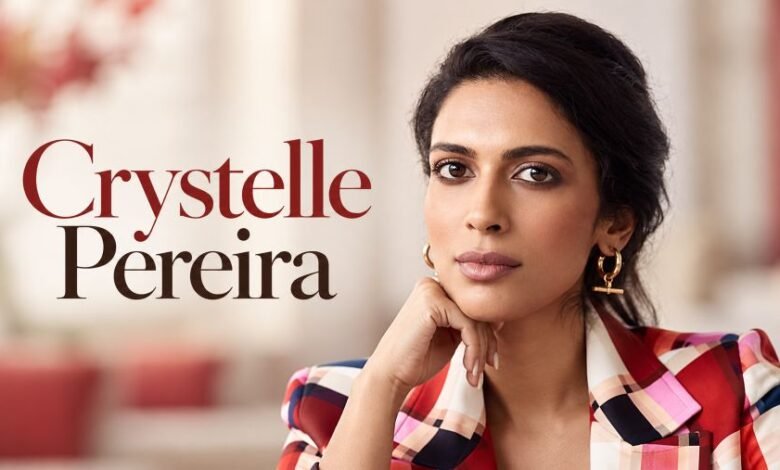
Crystelle Pereira is a British cook, baker, author and television presenter. She became famous in 2021. That was the year she reached the final of The Great British Bake Off.
But her story started elsewhere.
Before appearing on television, she worked at Goldman Sachs. Finance was her full-time career. Cooking was something she loved doing.
Then things changed.
Her baking skills caught national attention. Viewers loved her creative recipes, friendly personality and bold use of spices. She later left finance to work in food full-time.
Today, she has a published cookbook, television credits and a place on the Forbes 30 Under 30 Europe list.
Quick Facts About Crystelle Pereira
| Detail | Information |
|---|---|
| Full Name | Crystelle Lourdes Pereira |
| Known As | Crystelle Pereira |
| Birth Month | April 1995 |
| Age (2026) | 31 years |
| Birthplace | Northwest London, England |
| Nationality | British |
| Family Heritage | Portuguese-Goan |
| Profession | Cook, baker, author and broadcaster |
| Education | University College London |
| Degree | BA in French and Spanish |
| Graduation Year | 2017 |
| Previous Employer | Goldman Sachs |
| Famous For | The Great British Bake Off (2021) |
| Television Achievement | 2021 finalist |
| Cookbook | Flavour Kitchen |
| Cookbook Release | 25 May 2023 |
| Recognition | Forbes 30 Under 30 Europe, 2025 |
Who Is Crystelle Pereira?
Crystelle Pereira is a London-born food personality. She first became widely known through British television.
Her big moment came in 2021.
She entered The Great British Bake Off as an amateur baker. At that time, her main professional background was in finance.
She wasn’t running a restaurant. She hadn’t spent years working in a professional kitchen.
Yet her baking stood out.
Her recipes mixed familiar desserts with ingredients inspired by her Portuguese-Goan roots and travels.
The competition introduced her to millions of viewers. It also opened a new professional direction.
She later wrote a cookbook, appeared on cooking programmes and joined a television cooking competition as a judge.
Quite a change from finance.
Early Life and Family Background
Crystelle was born in northwest London in April 1995.
She grew up in a family with Portuguese-Goan heritage. Both her parents were born in Kenya.
Food was important at home.
Her mother regularly prepared family meals. As a child, Crystelle helped in the kitchen and tasted dishes during cooking.
She is the youngest of three daughters.
Those early experiences shaped her understanding of food. She became familiar with spices, home-cooked meals and family recipes.
Her cultural background stayed with her.
Years later, viewers saw those influences in her baking. She often mixed traditional British bakes with flavours connected to her family history.
Actually, that became one of her best-known cooking traits.
She liked trying unexpected combinations. But the food still needed to taste good.
That was always the main point.
Education and University Life
Crystelle attended University College London.
She studied French and Spanish. University records confirm that she completed her BA degree in 2017.
Her interest in languages was clear.
She was described as speaking four languages when Channel 4 introduced her as a Bake Off contestant in 2021.
Her university studies were separate from professional cooking.
At that stage, she was preparing for a career outside the food industry.
After graduation, she entered finance.
Still, food remained part of her everyday life.
She enjoyed visiting restaurants and bakeries while travelling. Her official Bake Off profile explains that she often planned food stops when visiting new cities with friends.
She wasn’t simply interested in eating.
She wanted to understand flavours.
Career at Goldman Sachs
Before television fame, Crystelle worked at Goldman Sachs.
She spent around four and a half years with Goldman Sachs Asset Management.
Her work was connected to finance and client relationships.
It was a different professional setting from the one viewers later saw on television.
She had a regular corporate career. Cooking was something she did outside work.
But she kept practising.
She tested baking ideas and worked on recipes at home. Her interest grew during the years before Bake Off.
Eventually, she decided to enter the competition.
That single decision changed her professional direction.
After gaining television recognition, she later moved away from Goldman Sachs and pursued food work full-time.
How She Started Baking
Crystelle did not begin serious baking as a young child.
Her official Bake Off profile states that she started baking seriously around three years before the 2021 competition.
That puts the beginning of her more focused baking interest around 2018.
She learned through practice.
She tried recipes, tested ingredients and built confidence in her skills.
Travel also gave her fresh ideas.
Rather than always following familiar flavour combinations, she began adding spices and ingredients from dishes she had enjoyed.
One example was her fougasse bread.
She made a version using turmeric, curry powder and spring onion.
It was a clear sign of her style. She liked taking something familiar and giving it a personal touch.
And people noticed.
The Great British Bake Off Journey in 2021
In 2021, Crystelle joined the twelfth series of The Great British Bake Off.
She was 26 years old.
The programme brought together amateur bakers from different backgrounds. Each contestant completed baking challenges under time pressure.
Crystelle quickly became a memorable competitor.
Her food stood out because she was willing to try different ingredients and flavour combinations.
She also brought plenty of personality to the tent.
The challenges weren’t easy.
Contestants had to prepare technically difficult bakes while judges Paul Hollywood and Prue Leith assessed their work.
Mistakes happened. Time was limited.
Still, she kept progressing.
Her Performance in the Competition
Crystelle reached the final three contestants.
During the series, she earned two Star Baker titles and received two Hollywood Handshakes.
Those achievements showed how well she performed during several demanding baking weeks.
She competed in the final against Giuseppe Dell’Anno and Chigs Parmar.
The last episode included a Mad Hatter’s Tea Party showstopper challenge.
Crystelle prepared several creative items, including a large mushroom-shaped chocolate and hazelnut bread.
She also made mango and passion fruit panna cottas, heart-shaped muffins and savoury choux pastries.
Giuseppe won the competition.
Crystelle finished as joint runner-up.
Although she didn’t take the trophy home, her appearance gave her a public platform for her future food career.
Life After the Baking Competition
Leaving the Bake Off tent wasn’t the end.
It was a new beginning.
Crystelle continued sharing recipes and building her food career.
Television viewers already knew her face. Now she had an opportunity to work on projects beyond the competition.
She began appearing on cooking programmes and writing recipes for established publications.
Her professional direction became clearer.
She wanted to work with food.
By 2023, she had publicly discussed leaving her finance career to concentrate on cooking, writing and related work.
Her first cookbook was also released that year.
That was another big moment.
Flavour Kitchen: Her First Cookbook
Crystelle published her debut cookbook, Flavour Kitchen, on 25 May 2023.
The book was published by Hachette.
It contains 75 recipes.
The recipes are divided between savoury dishes and sweet food.
Readers can find ideas for curries, pasta, salads, bread, cakes and brownies.
The book reflects her personal cooking style.
She enjoys combining ingredients from different food traditions. Her recipes encourage readers to test flavours and try something new.
Still, the dishes are made for home cooking.
The aim is to prepare enjoyable food without needing a professional kitchen.
The Work Behind the Book
Writing a cookbook took considerable effort.
In a 2026 Forbes interview, Crystelle explained that she developed around 100 original recipes for the project.
But there was a problem.
She wanted photographs for every recipe. The publisher had a limited number of pages available.
So she reduced the final selection.
The finished book contained 75 recipes, each with its own photograph.
That choice shows how seriously she approached the reader’s experience.
The book later reached number one in Amazon’s Gourmet Food & Drink bestseller category, according to Forbes.
It was a meaningful achievement for her first publication.
Television Presenting and Media Appearances
After Bake Off, Crystelle started appearing on other television programmes.
Her cooking work reached audiences in Britain and the United States.
Her documented television credits include:
- Good Morning America
- The Today Show
- Saturday Kitchen
- Sunday Brunch
- BBC Morning Live
- ITV Lorraine
- The World Cook
These programmes gave her opportunities to demonstrate recipes and speak about cooking.
Her experience also grew beyond appearing as a guest.
In 2024, she became a series judge on the second season of The World Cook, shown on Amazon Prime Video.
This was a different responsibility.
Instead of having her own food judged, she was helping assess dishes prepared by other cooks.
Her experience on Bake Off and in recipe development gave her a useful background for that role.
Food Writing and Recipe Development
Crystelle has written recipes for several established publications.
Her professional credits include The Guardian’s Feast section, BBC Good Food, Waitrose, The Telegraph, Ocado and People Magazine.
Her work covers both baking and savoury cooking.
She often builds recipes around interesting ingredient combinations.
Sometimes the inspiration comes from family meals. Other times, it comes from food she has discovered while travelling.
Her recipes show that she enjoys experimenting.
But she also understands the everyday cook.
The dishes need to work at home. Readers should be able to follow the instructions and prepare something enjoyable.
That practical approach has been part of her published work.
Cooking Style and Cultural Influences
Crystelle’s Portuguese-Goan heritage is an important part of her cooking.
She grew up eating food prepared by her mother.
That experience helped her become familiar with the flavours used in family cooking.
Over time, she began mixing those influences with ideas from other cuisines.
She likes working with spices.
Her food can include ingredients that aren’t usually found together in traditional British baking.
Think about her curry-spiced fougasse.
It combines French-style bread with seasonings more often associated with savoury South Asian dishes.
That kind of combination became a familiar part of her Bake Off identity.
She also enjoys giving desserts new flavour combinations.
The main idea is simple.
Try something different. Taste the result. Change what doesn’t work.
Her recipes reflect that approach.
Forbes 30 Under 30 Recognition
Crystelle received another major career recognition in 2025.
She was named on the Forbes 30 Under 30 Europe list in the Arts & Culture category.
The recognition followed several years of work in television, publishing and food media.
By then, she had already moved beyond her first Bake Off appearance.
She had published a cookbook.
She had also appeared on international television and judged a cooking competition.
Forbes highlighted her work as a self-trained cook and food personality.
The recognition showed how much her professional career had changed since leaving finance.
What Is Crystelle Pereira Doing in 2026?
Crystelle remained active in food media and public events during 2026.
She was among the speakers at the Forbes 30/50 Summit.
The event brought together women from different professional backgrounds to discuss careers, business and personal experiences.
She took part in a conversation about turning personal interests into professional work.
The discussion was published by Forbes in October 2026.
She also appeared in an August 2026 Forbes interview about career choices.
During that interview, she spoke about the demands of writing her cookbook and the need to manage professional commitments.
Her experience gave her plenty to discuss.
She had moved from corporate finance into a public-facing creative career.
And that change required serious work.
As of October 2026, her documented activities include food writing, broadcasting and participation in professional events.
Personal Life and Interests
Crystelle has shared several interests outside her professional cooking work.
She enjoys travelling and discovering restaurants.
She also likes singing.
Her official Bake Off profile mentions that she participated in an online choir during the COVID-19 lockdown.
Music was another activity she enjoyed alongside baking.
Her family remains an important part of the background she has discussed publicly.
In interviews, she has spoken about learning from her mother’s cooking.
Those memories continue to influence her recipes.
As for her relationships, reliable public biographies do not establish her current marital status.
It is better to keep private matters separate from her confirmed professional achievements.
Business and Professional Work
Crystelle is also connected to a registered UK company.
Companies House records identify her as a director of Crystelle Pereira Limited.
The company was incorporated in June 2022.
This is a documented business connection.
Her public career also includes cookbook publishing, television appearances, food writing and recipe development.
These activities show how her work has grown since her baking competition debut.
Her individual earnings and personal wealth have not been confirmed through reliable public disclosures.
Career Achievements
Crystelle has reached several important milestones.
2021 — Bake Off Finalist
She reached the final of the twelfth series and finished as joint runner-up.
2021 — Television Recognition
Her performance was included in Vanity Fair’s Best Performances of 2021 selections.
2023 — Cookbook Publication
Her debut cookbook, Flavour Kitchen, was published and later achieved an Amazon category bestseller ranking.
2024 — Television Judge
She appeared as a judge on the second season of The World Cook.
2025 — Forbes Recognition
She joined the Forbes 30 Under 30 Europe Arts & Culture list.
2026 — Forbes Summit Appearance
She participated in the Forbes 30/50 Summit and discussed her experience moving into a career built around food.
Each milestone represents a different stage of her public career.
Why Her Career Story Stands Out
Many people know Crystelle for baking.
But there is more to her professional story.
She spent years working in finance before choosing a different direction.
Her cooking experience grew through home practice rather than formal chef training.
She then entered a national television competition.
That appearance brought new opportunities.
She used them to develop a career in food writing, television and publishing.
The change wasn’t instant.
She kept working on recipes and took on professional commitments that required new skills.
Her story also shows the importance of having a personal cooking style.
She didn’t abandon her family food traditions.
Instead, she brought those flavours into the dishes she shared with viewers and readers.
Final Thought
Crystelle Pereira’s career has changed a lot.
She started in corporate finance.
Then she became a Bake Off finalist.
Her love of food eventually became her full-time profession.
Today, her published work and television appearances show what she has built since that first national competition.
Her Portuguese-Goan family background remains part of her cooking identity.
And her career continues to give her opportunities to share the food she enjoys making.
Frequently Asked Questions
1. Who is Crystelle Pereira?
Crystelle Pereira is a British cook, baker, cookbook author and television presenter. She became famous after reaching the 2021 Great British Bake Off final.
2. How old is Crystelle Pereira?
She is 31 years old as of October 2026. Companies House records show that she was born in April 1995.
3. Where was Crystelle Pereira born?
She was born in northwest London, England.
4. What is Crystelle Pereira’s family background?
Her parents were born in Kenya and have Portuguese-Goan heritage. She is the youngest of three daughters.
5. Where did Crystelle Pereira study?
She attended University College London. She graduated in 2017 with a BA in French and Spanish.
6. Did Crystelle Pereira win The Great British Bake Off?
No. She reached the 2021 final and finished as joint runner-up. Giuseppe Dell’Anno won that series.
7. What job did she have before baking?
She worked at Goldman Sachs Asset Management for around four and a half years before moving into food full-time.
8. What is Crystelle Pereira’s cookbook called?
Her first cookbook is called Flavour Kitchen. It was published on 25 May 2023 and contains 75 recipes.
9. Is Crystelle Pereira married?
Her current marital status has not been reliably established in the public sources reviewed.
10. What is Crystelle Pereira doing now?
As of October 2026, she remains publicly active in food media, broadcasting and professional events. She participated in the 2026 Forbes 30/50 Summit.