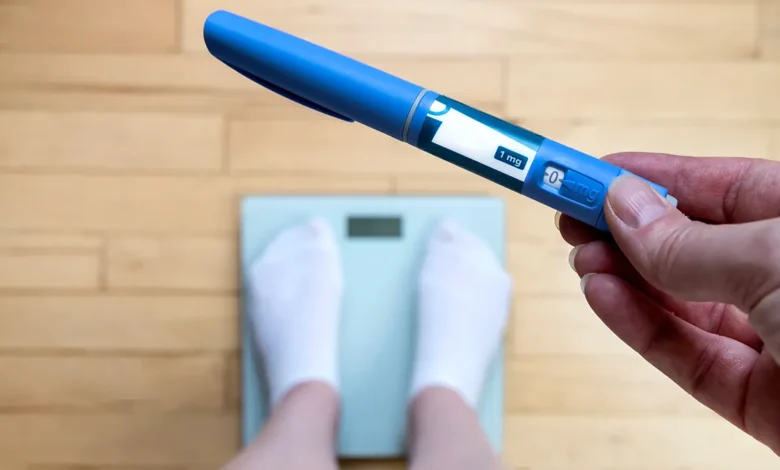
Retatrutide has quickly become one of the most discussed compounds in modern peptide research. Unlike compounds that focus on a single metabolic pathway, retatrutide is being studied for its activity across three hormone receptors: GLP-1, GIP and glucagon.
This three-pathway mechanism is the reason retatrutide is often described as a triple agonist. It is also sometimes referred to as a “GLP-3” peptide, although GLP-3 is not the scientific name of a naturally occurring hormone. Eli Lilly, which is developing retatrutide, describes it as a once-weekly investigational triple hormone receptor agonist.
The Retatrutide GLP-3 Pen 40mg is therefore best understood by looking at the compound itself, its research background and the importance of appropriate storage and handling.
What Is Retatrutide?
Retatrutide, also known by the research code LY3437943, is an investigational peptide designed to activate three different receptors involved in metabolic signalling.
These are:
- GLP-1 receptor
- GIP receptor
- Glucagon receptor
GLP-1 and GIP are incretin-related hormones involved in glucose regulation and other metabolic processes. Glucagon has a different role in energy metabolism and blood-glucose regulation.
Rather than targeting only one of these pathways, retatrutide combines all three into a single molecule. This is the main feature that separates it from compounds such as semaglutide and tirzepatide.
Why Is Retatrutide Called a GLP-3 Peptide?
The term “GLP-3” is commonly used online to describe retatrutide, but it is important to understand what the term actually means.
There is no established hormone officially called GLP-3 that retatrutide is simply replacing or mimicking.
Instead, “GLP-3” is an informal description based on the fact that retatrutide acts on three hormone receptor pathways: GLP-1, GIP and glucagon. Even Lilly describes the “GLP-3” label as scientifically inaccurate and recommends the term triple agonist instead.
For this reason, the scientific description of retatrutide is more useful than the nickname.
How Does Retatrutide Work?
The mechanism of retatrutide is based on the combined activity of three receptors.
GLP-1 Receptor Activity
GLP-1, or glucagon-like peptide-1, is an incretin hormone naturally produced by the body.
GLP-1 signalling is involved in glucose-dependent insulin secretion, gastric emptying and appetite-related processes.
Semaglutide is a well-known example of a compound that primarily works through the GLP-1 receptor.
Retatrutide also activates this receptor, but GLP-1 activity is only one part of its overall mechanism.
GIP Receptor Activity
GIP stands for glucose-dependent insulinotropic polypeptide.
It is another incretin hormone involved in metabolic signalling. Tirzepatide is an example of a compound that combines GIP and GLP-1 receptor activity.
Retatrutide also activates the GIP receptor, giving it another pathway in common with tirzepatide.
Glucagon Receptor Activity
The third component is glucagon.
Glucagon plays an important role in maintaining blood glucose and regulating energy metabolism.
The addition of glucagon receptor activity is what makes retatrutide different from both semaglutide and tirzepatide.
The basic comparison is therefore:
Semaglutide → GLP-1
Tirzepatide → GLP-1 + GIP
Retatrutide → GLP-1 + GIP + glucagon
This triple-receptor activity is the central reason retatrutide has attracted so much research interest.
What Does the Retatrutide GLP-3 Pen 40mg Refer To?
The name Retatrutide GLP-3 Pen 40mg describes a retatrutide product presented in a pen format.
The important point is that “GLP-3” does not represent a different compound from retatrutide. The product’s active research compound is retatrutide.
The pen format refers to the way the product is presented, while the stated 40mg refers to the quantity associated with the product.
For research purposes, however, the product name alone should not be used to determine concentration, purity or stability. Those details depend on the actual formulation and the documentation supplied with the product.
This is why researchers like Research Peptides Uk should pay attention to batch information, product specifications and any available certificate of analysis rather than relying only on the name printed on the packaging.
Why Has Retatrutide Attracted Attention?
One of the biggest reasons is the compound’s unusual mechanism.
Researchers have already studied GLP-1-based approaches extensively. Dual GLP-1/GIP agonists subsequently expanded the field, and retatrutide represents another approach by adding glucagon receptor activity to the same molecule.
Clinical research has produced significant interest.
In its Phase 2 obesity trial, retatrutide produced substantial reductions in body weight compared with placebo, leading to further investigation in Phase 3 studies.
More recently, Phase 3 studies have continued to evaluate retatrutide in obesity and type 2 diabetes, including studies examining its effects on body weight and glycaemic measures.
The research is therefore no longer limited to early-stage laboratory interest. Retatrutide is being evaluated in a broad clinical development programme.
Is Retatrutide Approved?
No. Retatrutide remains an investigational compound.
Although Phase 3 research has generated substantial interest, it has not received regulatory approval as a publicly available medicine. Lilly states that retatrutide is currently being studied in Phase 3 clinical trials and is not approved by the FDA.
This distinction is important when reading information about Retatrutide GLP-3 Pen 40mg or other products described as containing retatrutide.
Clinical-trial results describe a specific investigational product studied under controlled conditions. They should not automatically be interpreted as evidence that an independently sold product has the same quality, formulation or safety profile.
How Should a Retatrutide Pen Be Stored?
Storage is particularly important with peptide materials because temperature, light and handling conditions can affect the stability of the compound.
There is currently no approved consumer product label for retatrutide that establishes an official storage temperature for commercially available pens. Therefore, storage information for an independently supplied research product should follow the specific manufacturer’s product documentation.
For peptide research materials that specify refrigerated storage, 2°C to 8°C (36°F to 46°F) is a commonly used refrigerated range.
If the product documentation specifies this range, the pen should be kept refrigerated within that temperature range and protected from unnecessary exposure to heat and light.
Keep It Refrigerated When the Product Requires Refrigeration
A consistent refrigerated environment of 2°C–8°C is commonly specified for peptide materials that require refrigeration.
The important point is consistency.
Repeated movement between a refrigerator and warmer environments can expose the material to unnecessary temperature fluctuations. Keeping the product in its original packaging and limiting unnecessary handling can help maintain the intended storage conditions.
Avoid Freezing Unless the Product Documentation Specifically Allows It
A refrigerator and a freezer are not interchangeable.
If the product instructions specify 2°C–8°C storage, it should not be placed in a household freezer.
Freezing can affect certain peptide formulations, and there is not enough product-specific stability information to assume that every retatrutide formulation can safely be frozen and thawed.
Therefore, the safest approach is to follow the storage conditions supplied with the actual product.
Protect the Pen From Excessive Heat
High temperatures can be particularly problematic for peptide materials.
A retatrutide pen should not be left in places such as:
- A parked car
- Direct sunlight
- Near a radiator or heater
- On a hot windowsill
- In other areas exposed to prolonged heat
A stable storage environment is preferable to repeatedly exposing the product to high and low temperatures.
Protect It From Direct Light
Where the product documentation recommends light protection, the pen should remain in its original packaging or another appropriate protective container.
There is little benefit in unnecessarily exposing a peptide product to direct sunlight or strong artificial light.
What About Storage During Transport?
Transport is another situation where temperature control matters.
If a product is labelled for refrigerated storage, it should be transported in a manner consistent with its specified temperature range.
The exact requirements can depend on the formulation and packaging, so there is no single transport method that applies to every retatrutide product.
For research materials, the manufacturer’s handling instructions should take priority over generic peptide-storage advice.
Why Does Storage Matter?
Peptides are biological molecules, and their stability can be affected by environmental conditions.
Poor storage can potentially lead to degradation or changes in the material over time.
This is particularly important with research compounds because maintaining the integrity of the original material is essential when conducting laboratory work.
Several factors can influence stability:
- Temperature
- Light exposure
- Moisture
- Formulation
- Container integrity
- Repeated temperature changes
- Storage duration
This is why “keep it cold” is not a complete storage instruction. The specific temperature range and conditions supplied with the product are more useful.
Understanding the Difference Between Research Retatrutide and Approved Medicines
Retatrutide is currently an investigational compound, whereas medicines containing semaglutide or tirzepatide have established regulatory approvals for specific uses.
This difference matters when comparing products.
Research involving retatrutide is conducted using controlled protocols, defined formulations and carefully monitored participants. A product sold outside those clinical trials cannot automatically be assumed to have the same characteristics.
For example, research products supplied by Research Peptides should be evaluated according to their own product documentation and stated intended use rather than being treated as equivalent to an approved pharmaceutical product.
What Should You Check on a Retatrutide Product?
Anyone handling a research peptide should pay attention to the information supplied with the specific product.
Useful details include:
Product identity
The label should clearly identify the compound.
Batch or lot number
Batch information helps connect the product with its associated testing and documentation.
Certificate of analysis
Where available, a certificate of analysis can provide information about the characteristics of a particular batch.
Storage instructions
The product should have clear storage information appropriate to its formulation.
Formulation
Storage requirements can differ depending on whether the material is supplied in a particular prepared form or another formulation.
These details are more useful than relying solely on general advice found online.
Retatrutide Pen 40mg: Key Storage Points
For a product whose documentation specifies refrigerated storage, the basic principles are straightforward:
Temperature: 2°C–8°C (36°F–46°F)
Keep refrigerated: Yes, when the product instructions specify refrigeration.
Avoid direct heat: Yes.
Protect from unnecessary light: Yes.
Freeze: Do not freeze unless the specific product documentation expressly allows it.
Follow the product label: Always. Retatrutide does not currently have an approved consumer product label establishing universal storage conditions.
Final Thoughts
The Retatrutide GLP-3 Pen 40mg is associated with one of the most closely watched investigational peptides in current metabolic research.
Retatrutide is distinctive because it activates GLP-1, GIP and glucagon receptors, giving it a triple-agonist mechanism. This is different from semaglutide’s primarily GLP-1 activity and tirzepatide’s GLP-1/GIP activity.
The compound has progressed into Phase 3 clinical research, with studies examining obesity, type 2 diabetes and other metabolic conditions. However, retatrutide remains investigational and has not been approved for general public use.
For the pen itself, storage is an important part of maintaining peptide integrity. Where the product documentation specifies refrigerated storage, 2°C–8°C (36°F–46°F) is the relevant temperature range to follow. The pen should also be protected from excessive heat, unnecessary light exposure and inappropriate freezing.
Ultimately, the best approach is to combine an understanding of the compound with careful attention to the specific product’s documentation. Storage requirements can depend on the formulation, so the manufacturer’s instructions should always take precedence over generic peptide-storage advice.