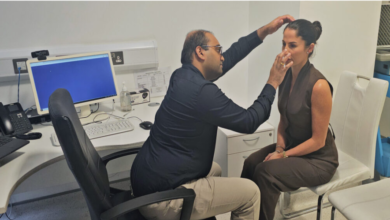
What to Ask Your Specialist About Open Septorhinoplasty and Preservation Rhinoplasty in London

Choosing to undergo nasal surgery is a significant decision that requires careful planning and research. If you are considering structural or cosmetic changes to your nose, you might be researching options like open septorhinoplasty in London. London houses some of the UK’s most experienced ENT and plastic surgeons who specialise in complex nasal reconstructions. Before booking a consultation, understanding the differences between modern surgical techniques is essential. Two prominent methods dominate modern nasal surgery: structural open septorhinoplasty and the newer, less invasive preservation techniques. Asking the right questions during your initial consultation helps you choose the correct approach for your anatomy. This guide outlines the vital questions you should ask your specialist to ensure a safe, successful outcome.
Demystifying the Open Septorhinoplasty Approach
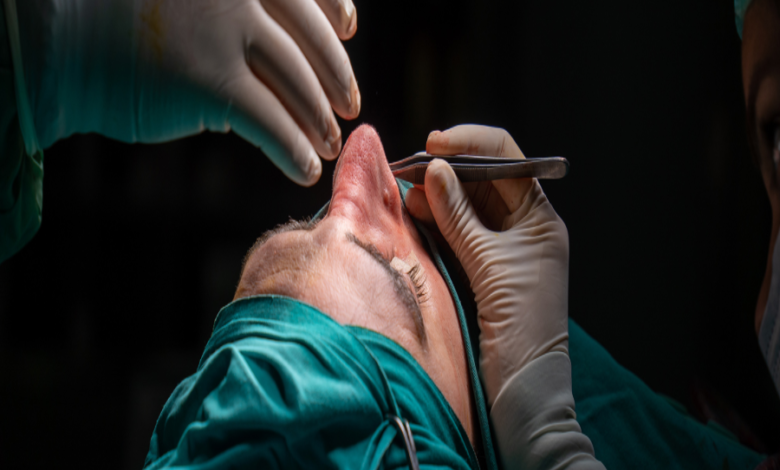
An open septorhinoplasty is the gold standard for complex nasal corrections. During this procedure, the surgeon makes a small incision across the columella—the narrow strip of tissue separating the nostrils. This tiny cut allows the surgeon to lift the nasal skin, providing complete visibility of the underlying bone and cartilage structures. If you suffer from a severely deviated septum alongside cosmetic concerns, this approach offers unparalleled accuracy for reconstruction.
Questions to Ask About Structural Changes
When meeting your consultant, you should ask how they plan to rebuild your nasal tip and bridge. Ask: “Will you need to use cartilage grafts from my septum, ear, or ribs to support the new structure?” and “How will you ensure my breathing is not compromised?” Because this technique involves direct visualisation, surgeons can place sutures precisely, making it ideal for correcting previous surgical outcomes or severe trauma.
If you are looking into open septorhinoplasty in London, ask your surgeon to show you before-and-after photographs of patients with similar nasal profiles. This helps you gauge their aesthetic style and surgical consistency. Understanding the structural grafts used during an open procedure ensures you have realistic expectations regarding the firmness and final shape of your nose.
The Mechanics of Preservation Rhinoplasty
Preservation surgery represents a paradigm shift in nasal reshaping. Unlike traditional methods that cut away the bridge of the nose and rebuild it, preservation techniques seek to maintain the natural nasal dorsum. The surgeon works beneath the cartilage and bone, removing small wedges from deeper structures to let the bridge drop down naturally. This maintains the natural look of your nasal bridge and minimises the risk of irregularities.
Key Questions for Your Consultant
To determine if you are a candidate for this technique, ask your specialist: “Do I have the correct nasal anatomy for a preservation approach?” and “How do you manage septal deviation while preserving the bridge?” This method is highly effective for patients who have an attractive profile but want to reduce a minor hump without changing their entire nasal character.
Many patients seek out preservation rhinoplasty in London because of its reputation for faster healing times and reduced swelling. Since the blood vessels and lymphatic systems remain largely undisturbed, postoperative bruising is often minimal. Ask your surgeon about their specific training in this technique, as it requires a highly specialised skill set that differs from traditional structural rhinoplasty. Knowing these details gives you confidence in their technical capability.
Comparing Recovery Timelines and Healing Processes
The recovery experience varies significantly depending on whether you undergo a structural or a preservation procedure. Open surgeries generally involve more extensive dissection, which leads to prolonged swelling, particularly at the nasal tip. Preservation techniques, by contrast, preserve the soft tissue envelope, leading to a swifter initial recovery.
Essential Recovery Questions
You must ask your surgeon: “What is the expected timeline for swelling to subside in my case?” and “What specific postoperative care protocols must I follow?” For instance, ask about sleeping positions, nasal saline sprays, and when you can resume wearing glasses or performing light exercise.
If you undergo open septorhinoplasty in London, the external incision heals into a barely visible scar, but the internal swelling can take up to a year to resolve completely. Conversely, patients opting for preservation rhinoplasty in London often report feeling comfortable returning to social settings within a week. However, both procedures require patience. Ask your specialist how they manage postoperative pain and what emergency contact options are available during the first fortnight. Understanding these recovery milestones helps you plan your time off work and prepare your home environment for a comfortable healing period.
Assessing Surgeon Expertise and Credentials
Selecting the right surgeon is the most critical factor in achieving a safe and satisfying outcome. Nasal surgery is widely regarded as the most complex procedure in plastic surgery due to the delicate balance between aesthetics and airway function. Therefore, verifying your specialist’s credentials and specific experience in your chosen technique is paramount.
Crucial Questions Regarding Experience
When interviewing potential specialists, ask: “Are you a registered member of the British Association of Aesthetic Plastic Surgeons (BAAPS) or the British Association of Plastic, Reconstructive and Aesthetic Surgeons (BAPRAS)?” You should also ask: “How many procedures of this specific type do you perform each year?”
A surgeon who routinely performs preservation rhinoplasty in London should be able to explain their precise methodology and discuss their revision rates. Revision rates are a transparent indicator of a surgeon’s long-term success. Ask them directly: “What is your personal revision rate, and what is your policy if a secondary procedure is required?” A reputable specialist will answer these questions openly, providing clear details about hospital fees and surgical costs. This transparency establishes trust and ensures you are making an informed decision based on proven surgical competence rather than marketing claims.
Conclusion
Embarking on a journey to alter your nasal structure requires careful consideration of both aesthetic goals and functional needs. Whether you opt for a structural open septorhinoplasty or a preservation technique, your choice of specialist is the key to a successful outcome. By asking targeted questions about surgical techniques, recovery expectations, and specialist credentials during your initial consultations, you can make an informed decision that aligns with your anatomy. Take your time to consult with board-certified professionals, review their previous patient outcomes, and select a surgeon who prioritises your safety and natural breathing above all else. With the right preparation, you can achieve a balanced, functional, and beautiful result.